Land Leveled for Long-Term Performance
Grading in Lebanon for new construction sites, drainage improvement, and property preparation requiring precise land leveling
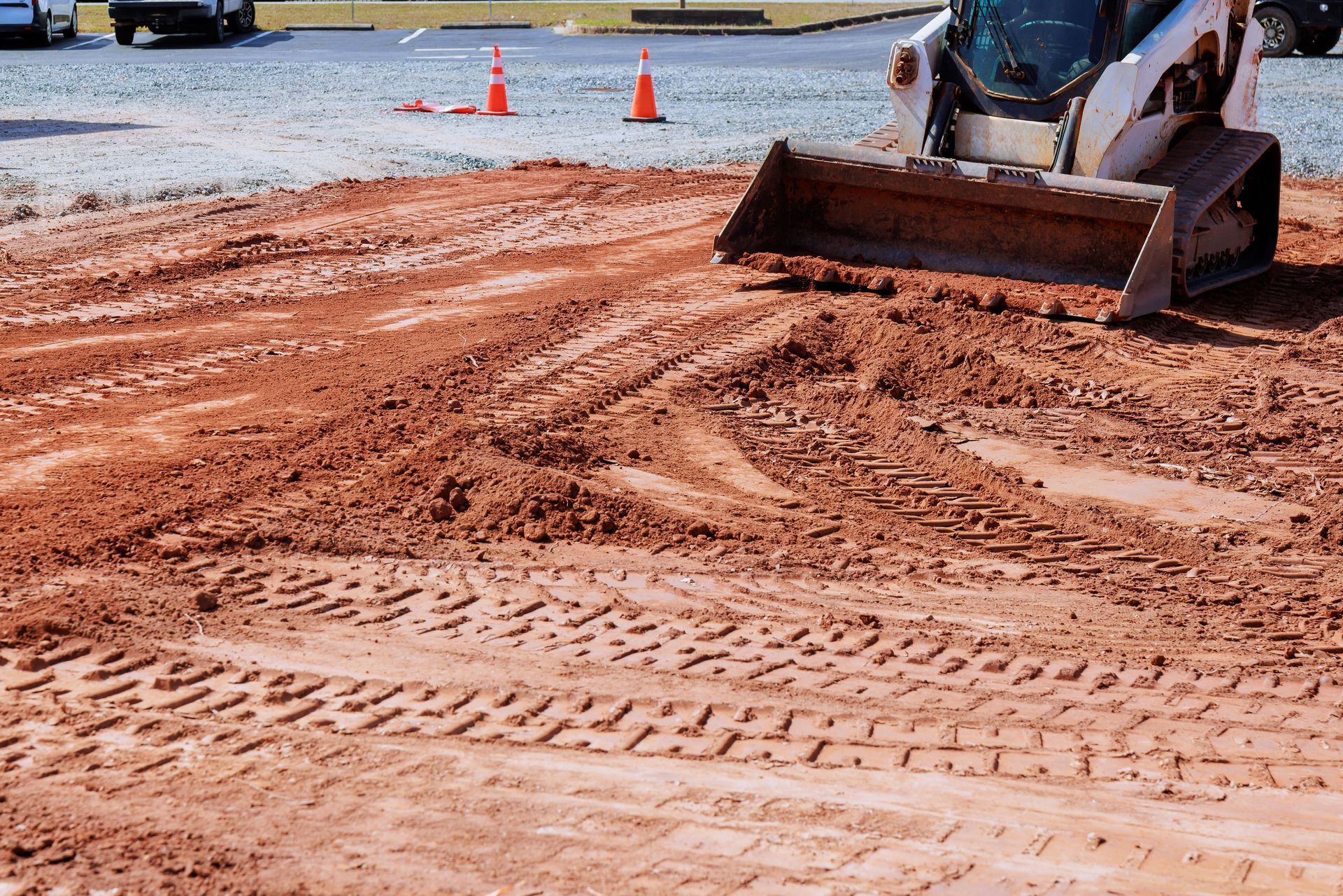
Proper grading determines whether water drains correctly, whether driveways remain stable, and whether building sites perform as intended over decades of use. Projects fail when grading is rushed or approximated rather than executed with attention to slope angles, soil compaction, and runoff paths. Landflow Services handles grading for residential lots, driveways, trails, and rural acreage throughout Southwest Ohio, preparing land that meets construction requirements and prevents long-term drainage failures that damage structures or make properties unusable during wet weather.
The grading process begins with evaluating existing terrain and determining target elevations based on how the site will be used. Equipment removes high spots, fills low areas, and establishes slopes that move water away from buildings and toward appropriate discharge points. Accuracy matters because even small grading errors compound over time, turning minor water flow issues into major erosion or foundation problems that require expensive repairs.
Request a free estimate to discuss your project requirements and schedule grading work that supports long-term property stability.
Why Accurate Grading Works for Site Stability
Grading involves more than pushing dirt around until the ground looks flat. Each area of a site requires specific slope percentages depending on its function—building pads need positive drainage away from foundations, driveways require cross-slopes to prevent water pooling, and retention areas need precise depths to hold calculated runoff volumes. Equipment operators must account for soil compaction rates, since loose fill settles over time and can create depressions that trap water if not properly prepared during initial grading.
After grading is complete, you'll notice the site has clear drainage paths, level building areas that meet construction tolerances, and stable access routes that don't develop ruts or washouts during rain. Properly graded driveways shed water to the sides rather than pooling in the center, and yards slope gently away from structures so basements stay dry. These results remain consistent over years rather than degrading after the first heavy storm, which distinguishes precision grading from approximate site work.
Grading services include rough shaping and final grade preparation, but do not include topsoil placement or seeding unless separately arranged. Some projects require soil removal or import to achieve target elevations, which affects timeline and cost depending on the volume involved and hauling distances.
What Property Owners Usually Ask
Customers preparing sites for construction or addressing existing drainage problems often have similar questions about grading methods and project timelines.
What's the difference between rough grading and finish grading?
Rough grading establishes major contours and drainage patterns, moving large volumes of soil to create the general site shape. Finish grading refines the surface to final elevations and slopes, preparing the site for construction, paving, or landscaping. Both stages are necessary for projects requiring precise drainage and stable building pads.
How do you determine the correct slope for drainage?
Minimum slope requirements depend on surface type and proximity to structures, but residential grading typically requires at least two percent grade away from foundations and toward drainage paths. Steeper slopes are used for swales and channels that carry concentrated runoff, while flatter areas need enough pitch to prevent standing water without causing erosion.
When should grading be done relative to other site work?
Grading happens after clearing and before construction begins, since building pads and access routes must be stable before crews and materials arrive. Finish grading near structures is often completed after rough construction to avoid damaging the prepared surface with heavy equipment or material deliveries.
What challenges does Lebanon's soil create for grading projects?
Clay-heavy soils common in Southwest Ohio drain slowly and become difficult to work when wet, which can delay projects or require moisture management during grading. The same soils also compact well when properly prepared, which provides stable building surfaces once grading is complete and the site has dried.
How long does graded soil take to stabilize before construction can proceed?
Soil compaction and settling time depends on fill depth and moisture content, but most sites are ready for construction within days to weeks after grading if proper compaction methods were used. Deep fill areas may require additional settling time or staged compaction to prevent future subsidence under building loads.
Landflow Services completes grading projects for residential, agricultural, and commercial sites throughout Lebanon and surrounding areas, with equipment and experience to handle projects ranging from small lot preparation to large-scale land leveling. Contact us to request a free estimate and discuss grading specifications that meet your project requirements.