Paths That Make Your Property Fully Usable
Trail Making in Lebanon for wooded acreage and recreational land that's difficult to access or manage
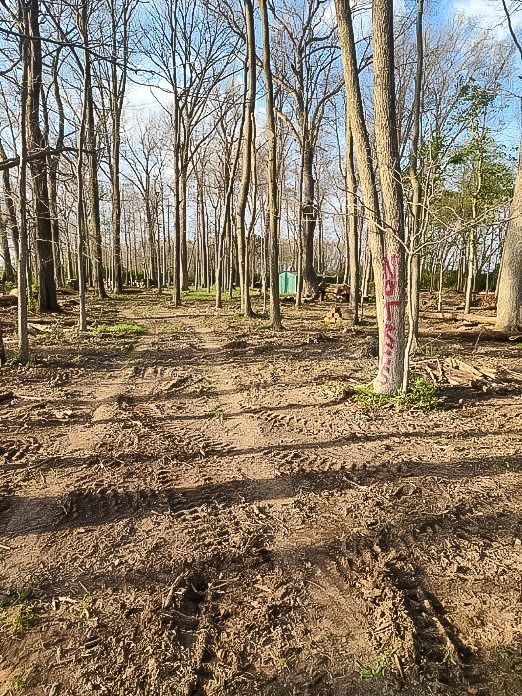
Landflow Services provides trail making for homeowners, hunters, and agricultural landowners who need reliable access through wooded areas, overgrown land, and rough terrain. Custom trails improve your ability to walk the property, operate utility vehicles, and manage land features like fence lines and pond banks without fighting through dense vegetation or unstable ground. The work involves clearing paths that follow natural land contours, which reduces erosion and makes the routes easier to maintain over time.
Trail design begins with walking the property to identify the best route based on how you plan to use the path, what obstacles exist, and how water moves across the terrain. Clearing methods remove vegetation while preserving root structures that stabilize soil, and the finished path is wide enough for your intended use without removing more material than necessary. This approach creates trails that remain passable through wet seasons and don't develop washouts or deep ruts after heavy rainfall.
Request a free consultation to evaluate your property and discuss trail placement options that match your access needs.
What Proper Trail Clearing Requires
Trail making involves more than cutting a straight line through the woods. The route must account for slope, drainage patterns, and root systems that could create trip hazards or cause the trail to erode. Equipment removes brush, small trees, and obstructions while leaving the ground surface intact enough to prevent soil loss during rain events. When working through wooded areas, the process includes clearing enough width for safe passage without creating a corridor so wide that it disrupts the natural canopy or creates wind tunnels that dry out surrounding vegetation.
Once clearing is complete, you'll notice the trail is immediately walkable and the path remains visible throughout the year, even after leaves fall or snow melts. Vehicle-accessible trails allow you to transport equipment, monitor fencing, or reach hunting blinds without getting stuck in mud or damaging the land. Properties with well-designed trails also become easier to show to buyers or guests, since the land's features are accessible rather than hidden behind impenetrable growth.
The service includes debris removal from the cleared path, but does not involve paving or gravel installation unless separately requested. Trail maintenance typically requires occasional brush trimming to keep growth from encroaching, but properly cleared trails reduce the frequency and difficulty of ongoing upkeep.
Questions Before Starting Your Project
Property owners with acreage often ask similar questions before beginning trail work, especially when dealing with steep terrain or unfamiliar land features.
What factors determine the best route for a new trail?
The ideal path avoids steep grades that cause erosion, follows natural contours to minimize cutting, and connects key areas of the property without crossing drainage channels that stay wet. Trails designed with these considerations remain stable and require less maintenance over time.
How wide should a trail be for utility vehicle access?
Most UTV and ATV trails require a clearing width of eight to ten feet to allow safe passage without scraping equipment or passengers against remaining vegetation. Walking trails can be narrower, typically four to five feet, which reduces clearing time and preserves more surrounding habitat.
When is the best time to clear trails in Southwest Ohio?
Late fall through early spring offers the easiest working conditions, since vegetation is dormant, ground visibility is better, and soil compaction from equipment is minimized. Wet seasons make some areas inaccessible to machinery, which can delay projects or require hand-clearing methods.
What happens to the debris from trail clearing?
Brush and small trees are typically mulched on-site or moved to a designated area on the property for natural decomposition. Larger logs can be cut to firewood length and stacked if you plan to use them, or removed entirely if preferred.
How long does it take for a cleared trail to stabilize?
Most trails are immediately usable after clearing, but the ground surface firms up noticeably within one growing season as remaining root systems strengthen and ground cover fills in along the edges. Trails that follow proper contours and avoid drainage channels stabilize faster and hold up better under regular use.
Landflow Services works with property owners throughout Lebanon and surrounding areas to design trails that improve land usability and match your specific access needs. Schedule a free consultation to walk the property and discuss routing options based on terrain and intended use.