
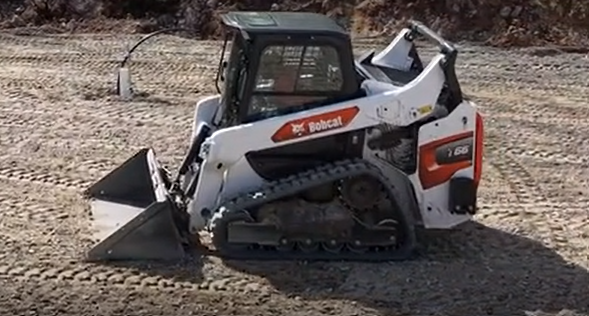
Ground Prepared for Safe Project Starts
Site Preparation in Lebanon for construction projects, property development, and land improvement work requiring clearing and ground preparation
Construction delays and cost overruns often trace back to inadequate site preparation that leaves contractors working around obstacles, unstable ground, or poor drainage. Preparing land correctly involves clearing vegetation and debris, grading to proper elevations, and addressing drainage concerns before trades arrive with equipment and materials. Landflow Services prepares residential, agricultural, and commercial sites throughout Lebanon, handling the groundwork that allows projects to move forward safely and on schedule.
Site preparation begins with evaluating what exists on the property—trees, brush, old structures, soil conditions, and drainage patterns—and determining what must be cleared, graded, or stabilized. The work includes removing vegetation, grubbing roots that interfere with construction, hauling debris, and shaping the ground to support building pads, access routes, and utility installations. Proper preparation eliminates surprises that stop projects mid-construction when crews discover unstable soil, buried debris, or water management problems that should have been addressed during initial site work.
Request a free site preparation estimate to discuss project scope and schedule groundwork that supports your construction timeline.
What Happens During Preparation Work
Site preparation involves multiple steps that vary based on the property's condition and project requirements. Clearing removes trees, brush, and existing structures, while grubbing pulls out stumps and root systems that prevent proper grading. Debris is sorted for disposal or recycling, and soil is graded to create stable, properly drained surfaces for building pads, driveways, and staging areas. Equipment operation must account for subsurface conditions like buried utilities, rock layers, or unstable soil that affects how the site is prepared.
Once preparation is complete, the site has clear access routes for construction vehicles, level areas where structures will be built, and drainage paths that keep water away from work zones. Contractors can begin work immediately without waiting for additional clearing or grading, and material deliveries reach the correct locations without navigating around obstacles or getting stuck in unprepared ground. Projects that start on well-prepared sites encounter fewer delays and change orders related to site conditions.
Site preparation includes clearing, grading, and debris removal, but does not involve utility installation or environmental permitting unless separately arranged. Projects requiring wetland reviews, tree preservation plans, or erosion control permits need those approvals before site work begins.
Questions Before Starting Your Project
Contractors and property owners preparing for construction typically need to understand what site work involves and how it fits into overall project timelines.
What does site preparation include that clearing alone doesn't cover?
Preparation involves grading to proper elevations, removing subsurface obstacles like roots and buried debris, and establishing drainage paths that prevent water from pooling in work areas. Clearing removes surface vegetation but leaves the site unprepared for construction loads or equipment access.
How long does site preparation take before construction can start?
Timeline depends on site size, vegetation density, and soil conditions, but most residential lots are prepared within several days to a week. Larger acreage or sites requiring significant grading take longer, and wet weather can delay work if ground conditions prevent safe equipment operation.
When should site preparation be scheduled relative to construction permits?
Preparation should begin after permits are approved and before contractors mobilize, since prepared sites deteriorate if left unused for extended periods. Scheduling preparation immediately before construction starts keeps the site in optimal condition and prevents delays from weather or vegetation regrowth.
What site conditions in Lebanon typically affect preparation work?
Clay soils become unworkable when saturated, which can delay projects during wet periods or require additional time for the ground to dry. Rocky subsurface layers may require specialized equipment or additional effort to achieve proper grading depths.
What happens to debris and cleared material during site preparation?
Trees and brush are typically hauled off-site for disposal or recycling, while excess soil may be used elsewhere on the property for grading or berms if appropriate. Debris removal is included in preparation work, though large volumes or specialized disposal needs may affect project cost.
Landflow Services completes site preparation for contractors and property owners throughout Lebanon and surrounding areas, with insured work and reliable scheduling that keeps construction projects on track. Schedule a free estimate to evaluate site conditions and discuss preparation requirements that match your project timeline and development plans.