Land That Supports Native Growth Again
Honeysuckle Removal in Lebanon for wooded lots and rural properties overrun by invasive growth
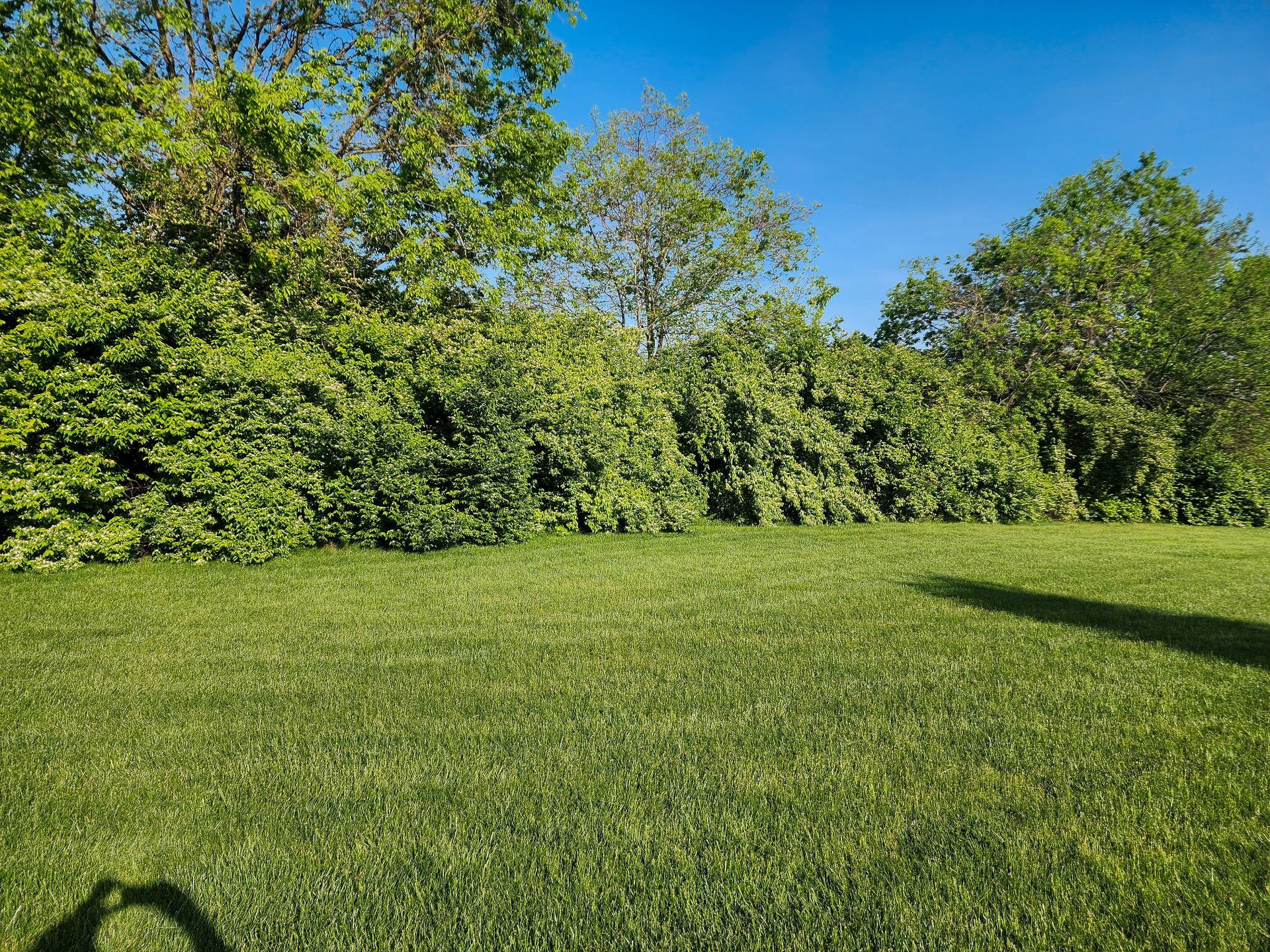
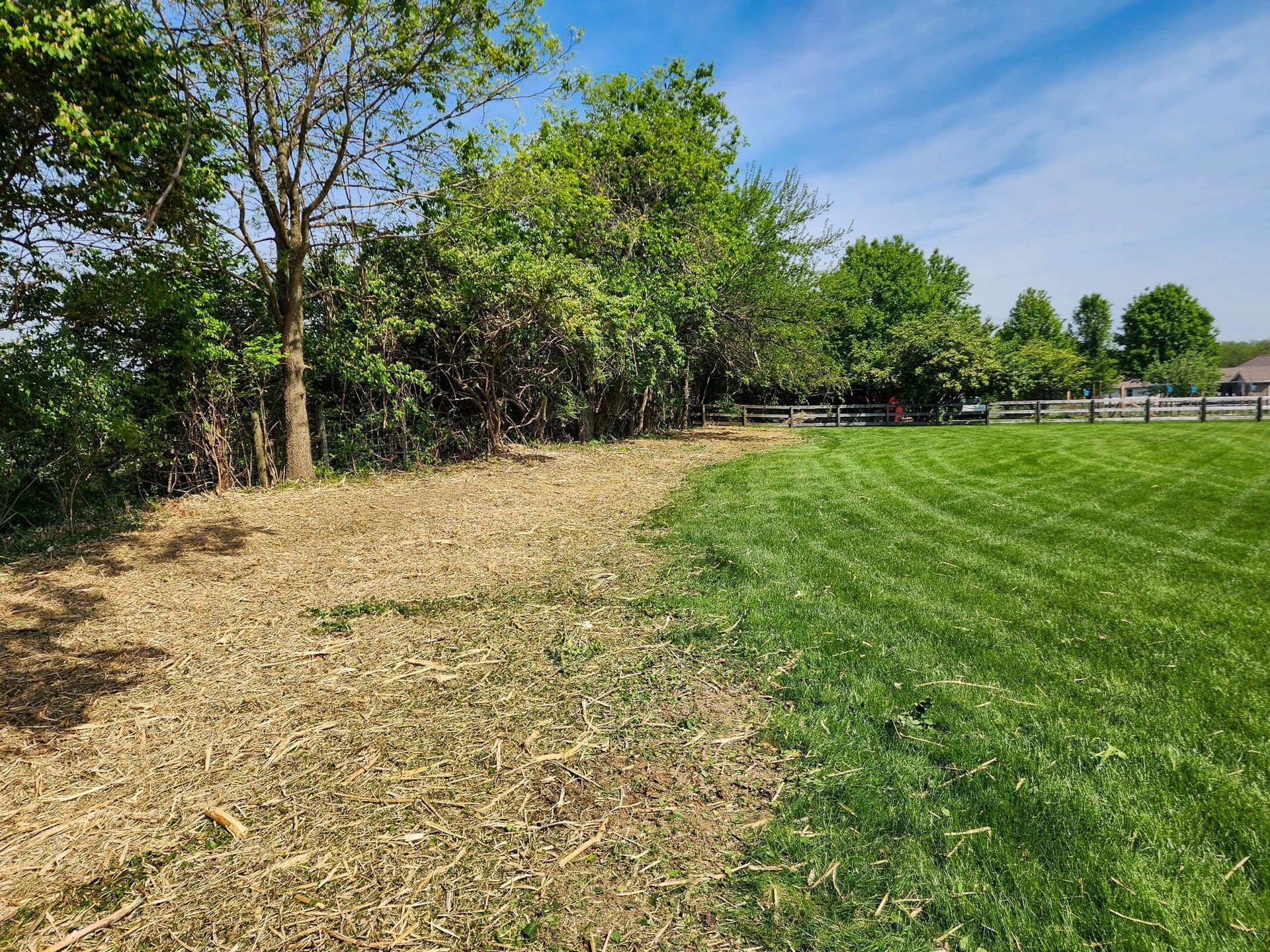
Invasive honeysuckle creates dense thickets that choke out native vegetation, block property access, and make land management nearly impossible. Once established, the shrubs spread aggressively through root systems and seed distribution, forming barriers along fence lines, trails, and pond banks that prevent you from maintaining or using those areas. Landflow Services removes heavy honeysuckle growth from wooded and rural properties, clearing the invasive plants down to ground level and opening up land that's been unusable for years.
Removal involves cutting the shrubs at the base and treating stumps to prevent regrowth, since honeysuckle resprouts vigorously if only the top growth is removed. The process clears fence lines so you can perform repairs, reopens trails that have become impassable, and eliminates the shade layer that prevents native trees and ground cover from establishing. Properties with heavy honeysuckle infestations in Southwest Ohio often see dramatic improvement in understory health within one growing season after removal, as native plants respond quickly once light reaches the forest floor again.
Schedule a free estimate to assess the extent of honeysuckle growth and discuss clearing priorities based on property use and management goals.
How Removal Addresses Long-Term Land Health
Honeysuckle removal is more than cosmetic clearing. The invasive shrubs alter soil chemistry, suppress native seedling growth, and create fire hazards due to dense dead wood accumulation inside the thickets. Clearing methods focus on complete removal rather than surface cutting, which means treating stumps to prevent the vigorous regrowth that makes honeysuckle particularly difficult to control. Debris is either mulched on-site to return organic matter to the soil or removed entirely if you prefer a cleaner finish.
After removal, you'll notice immediate improvements in sightlines and accessibility, and the property becomes safer to walk through without tripping over hidden roots or dead branches. Native wildflowers, grasses, and tree seedlings begin appearing within months, and the cleared areas support wildlife movement and foraging that honeysuckle thickets prevented. Fence lines become visible and maintainable again, and trails that were completely overgrown become passable for walking or vehicle access.
The service includes debris management and stump treatment, but does not involve replanting native species unless separately arranged. Follow-up monitoring is recommended during the first year after removal, since seedlings and root sprouts can emerge and should be addressed before they reestablish dense growth.
Common Questions About This Service
Property owners dealing with invasive growth often have similar concerns about removal methods and long-term results.
What problems does honeysuckle cause beyond just looking overgrown?
The shrubs form dense canopies that block sunlight from reaching the ground, which prevents native plants from growing and reduces habitat quality for ground-nesting birds and other wildlife. The roots also alter soil composition in ways that make it harder for native species to reestablish even after the honeysuckle is removed.
How is honeysuckle removal different from regular brush clearing?
Effective removal requires treating the stumps after cutting to prevent regrowth, since honeysuckle resprouts aggressively from even small root sections. Surface clearing without stump treatment results in thicker regrowth within one season, which wastes time and money.
When should honeysuckle be removed for the best results?
Late winter through early spring is ideal, since the shrubs are dormant and easier to cut, and stump treatment is most effective before active growth begins. Clearing during this window also reduces stress on native plants that begin growing once sunlight reaches them.
What happens to all the removed plant material?
Honeysuckle debris is typically mulched on-site using forestry equipment, which breaks down the material quickly and returns nutrients to the soil. If you prefer complete removal, the debris can be hauled off, though this adds to project cost and timeline.
How long does it take for native plants to come back after honeysuckle is removed?
Most properties in Lebanon and surrounding areas show visible native plant growth within the first growing season after removal, especially if the soil seed bank is still viable. Dense honeysuckle stands that have been established for many years may take longer, since the soil may need time to recover its natural composition.
Landflow Services handles honeysuckle infestations across wooded lots, rural acreage, and properties where invasive growth has made maintenance impossible. Arrange a free estimate to evaluate the scope of clearing required and discuss stump treatment options that prevent regrowth.